Showing posts with label Cyprus. Show all posts

Saturday, October 29, 2011

Mosaic of the Med: Article on Cyprus by James Fryer


At the Mosaics of (Pafos) Paphos, faded, tiled floors became storybooks exposing the passionate tales which inspired Shakespeare’s Romeo and Juliet, reveal the origin of bay leaves and issue warnings about what happened to the world’s first wine drinkers. But reinforcing how the 1974 invasion has impacted upon the island, we also heard how bombings had caused more damage to the mosaics than had been done since their creation in the third century BC.

Read the full article on Cyprus HERE

Thursday, May 19, 2011

Larnaca, city of planes and mosaic angels


Larnaca, a city by sea in Cyprus where the airport is situated offers some wonderful and thrilling moments for especially those with children when you know that if you raise your head while sunbathing you will see the plane that close you think you can touch it! This is what happened to me last year (or was it 2 years ago, need to check when the pictures where taken) and I took the camera to take some shots of the event. I kept them in a file and accidentally retrieved them a couple days ago! I decide to post them along with some glorious mosaics that you can find in Larnaca. Cool right? I am talking about the byzantine mosaics of Kiti (Larnaca district) dated 11th century in a lovely church called Panagia Angeloktisti (our lady, Mother of God, built by the angels)

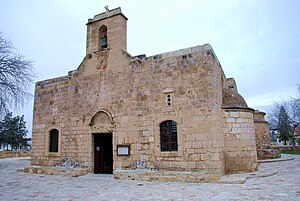
The main part of Panagia Aggeloktistos which means “Our Lady built by the angels”


scenic church exterior
church exterior from another angle

the promenade in Larnaca, see the palm trees, the place is dubbed "foinikoudes" (palm trees)...(I love this place!!!)

Larnaca airport (city is small, you come out the airport the sightseeing begins!)
Larnaca marina

Now, the pictures I promised from my archives. The post's top picture with the plane was also taken that day.


This beach is called Mackenzie, there are lovely restaurants flanking the beach and it is ideal for families. You can spend the entire day there, having drinks, then lunch, coffee, dinner.

A map is always useful.

Larnaca map
More info on visitcyprus and larnaca.com.

PS: 37% of the island of Cyprus is under Turkish occupation since 1974.

Tuesday, June 29, 2010

The land of Venus


The first picture, the famous Leda and the swan mosaic, now in the Cyprus museum in Nicosia (capital of the island), was found in the Leda mosaic house as it was later called, at the location of a sanctuary of Aphrodite in the area of Kouklia, which was the home to a cult of Aphrodite from at least 3800 BC and was mentioned in many ancient texts, including Homer's Iliad.

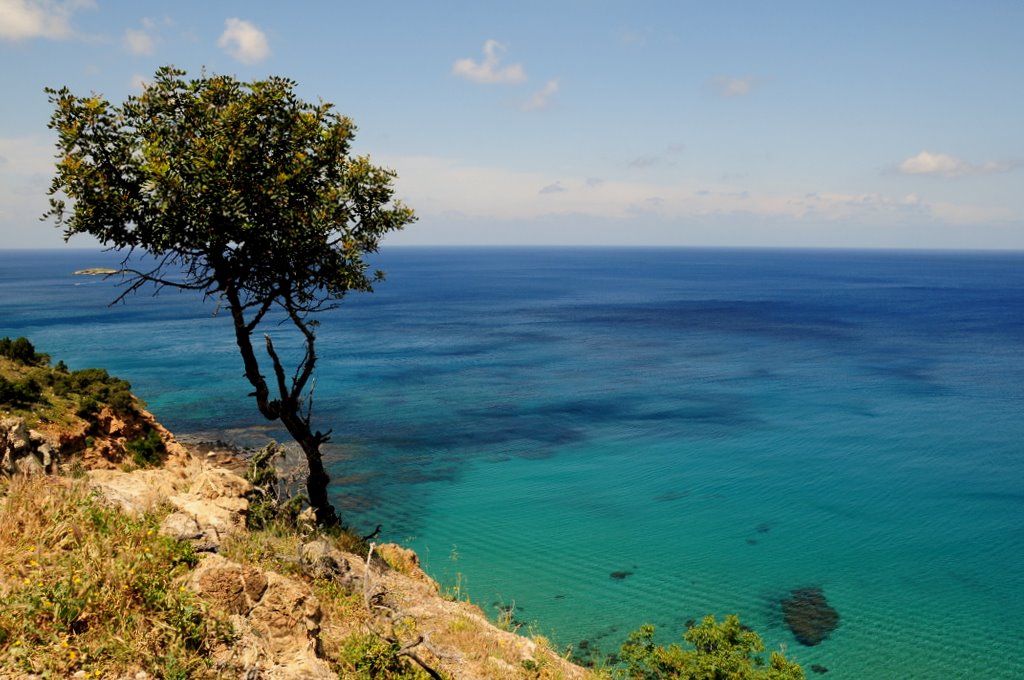
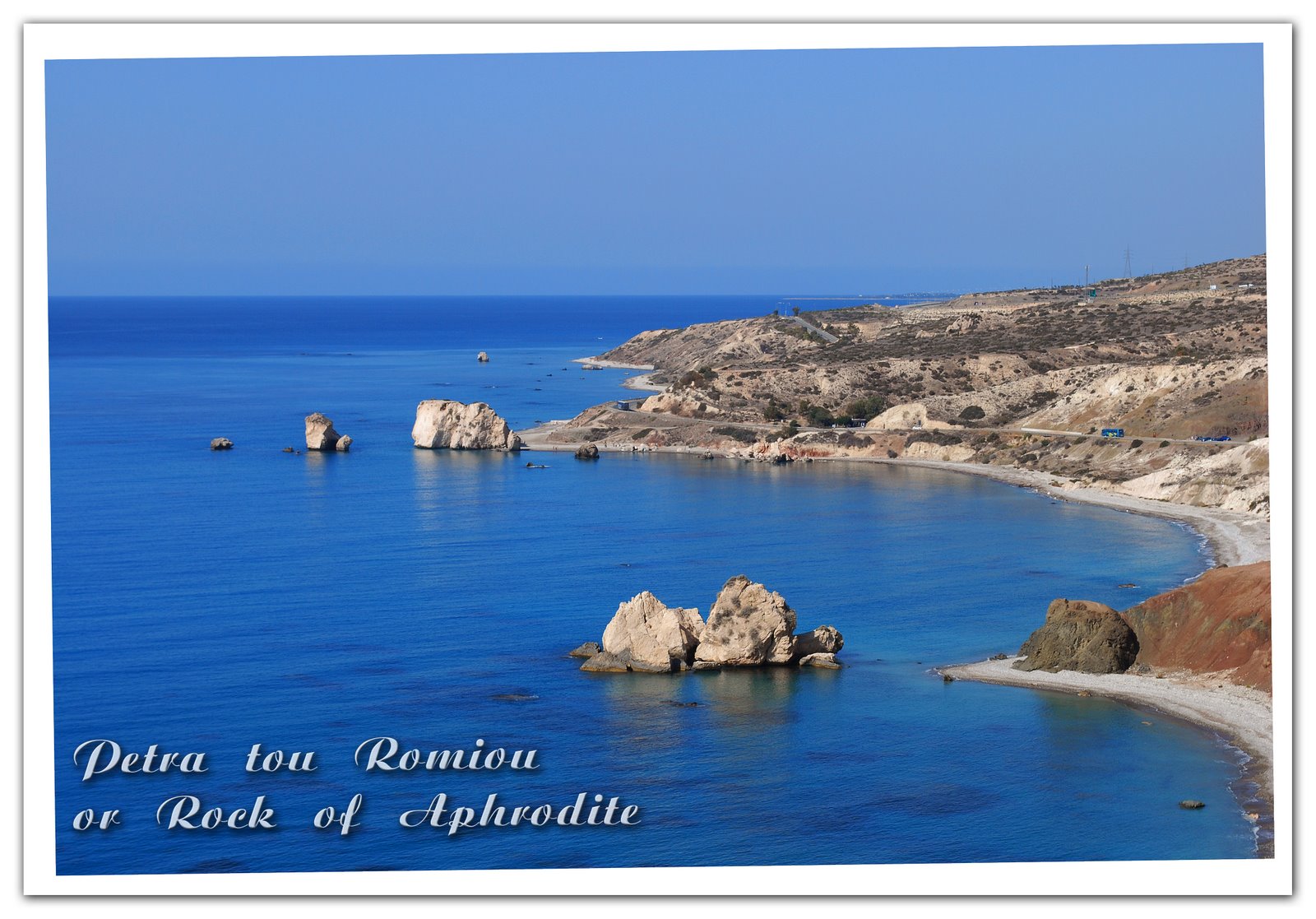
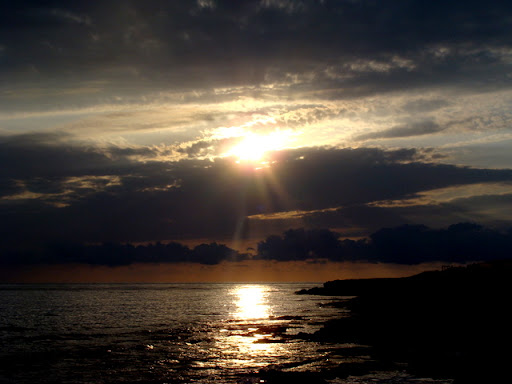
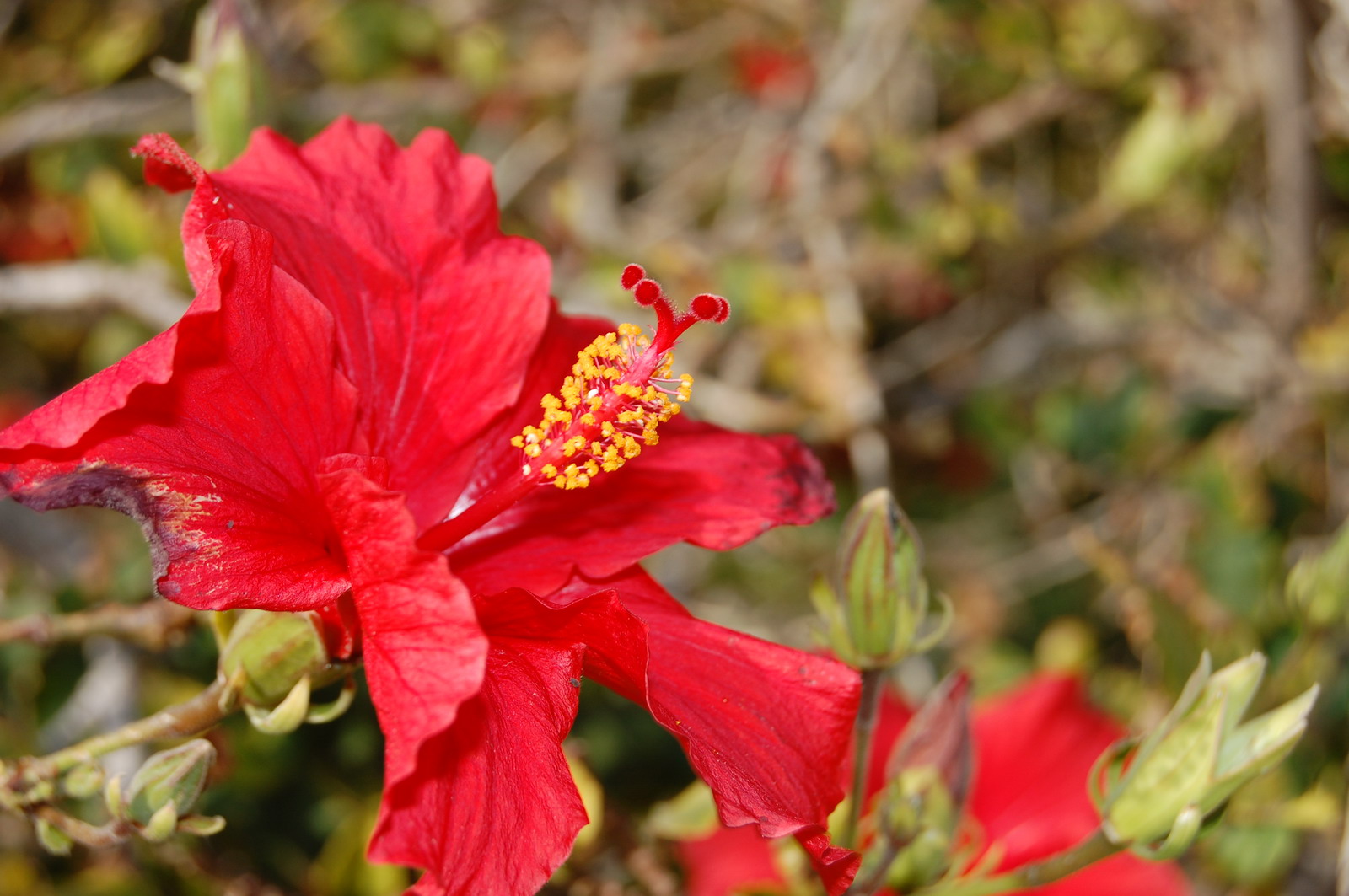
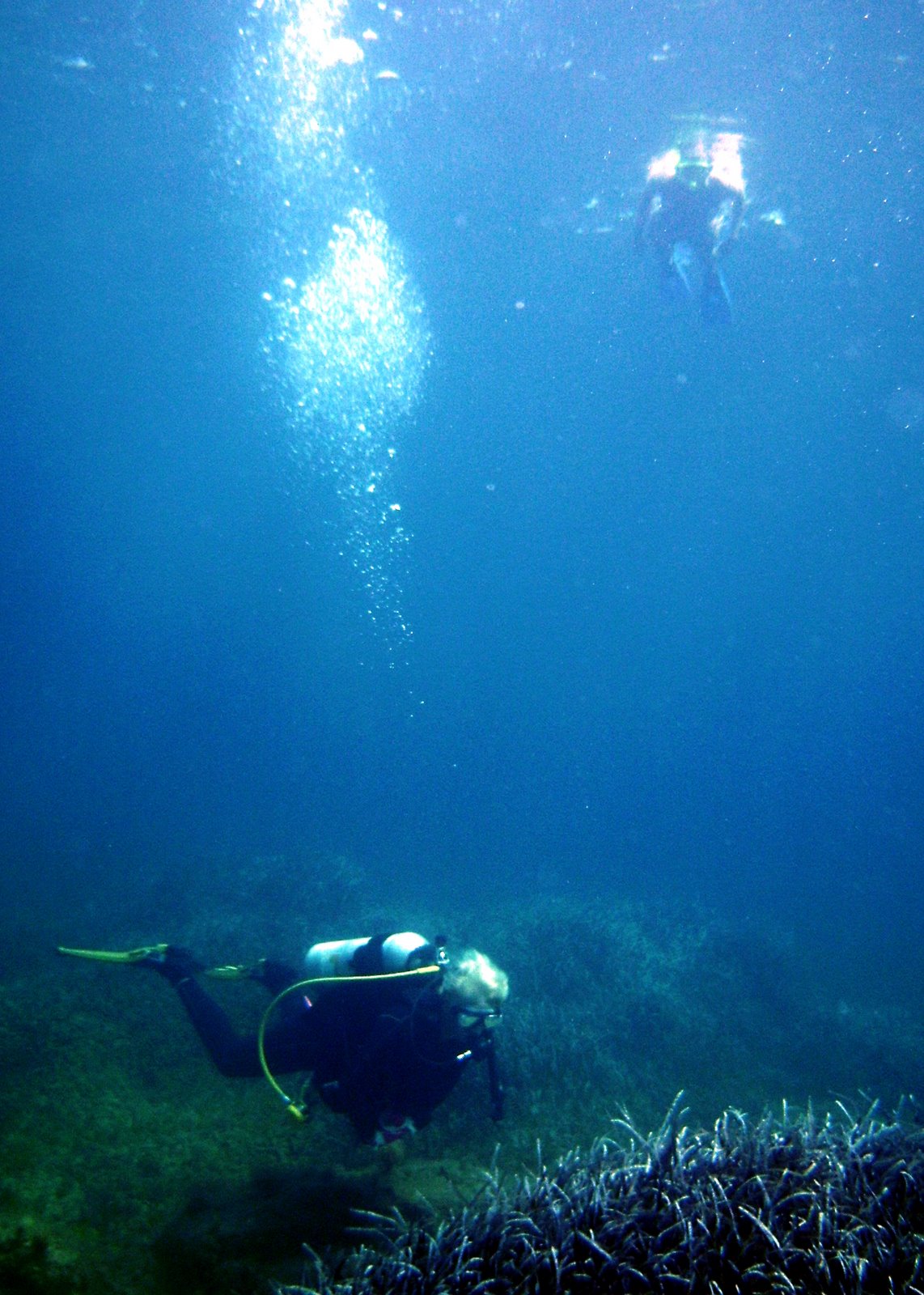
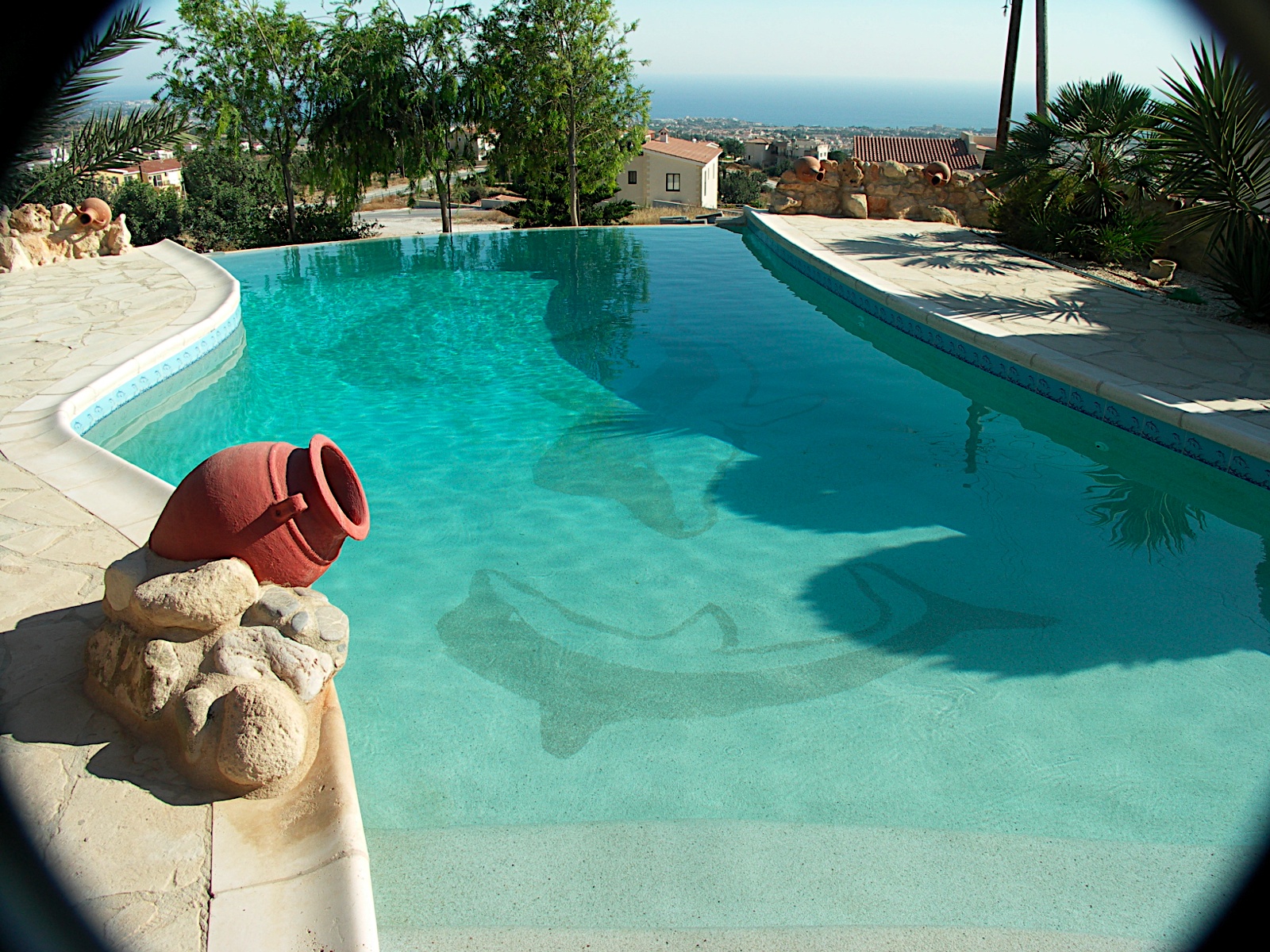
Counting after the Leda mosaic, most of the images are from picasa web except the first two; the first one being taken from a hotel website and the second from a blog (all images are linked to their source).

I can recognise Akamas in at least one of the images, a place which is like heaven on earth, pure and unspoiled where you can see, if you are lucky and trained enough, vulnerable species, some of which are endemic to Akamas.

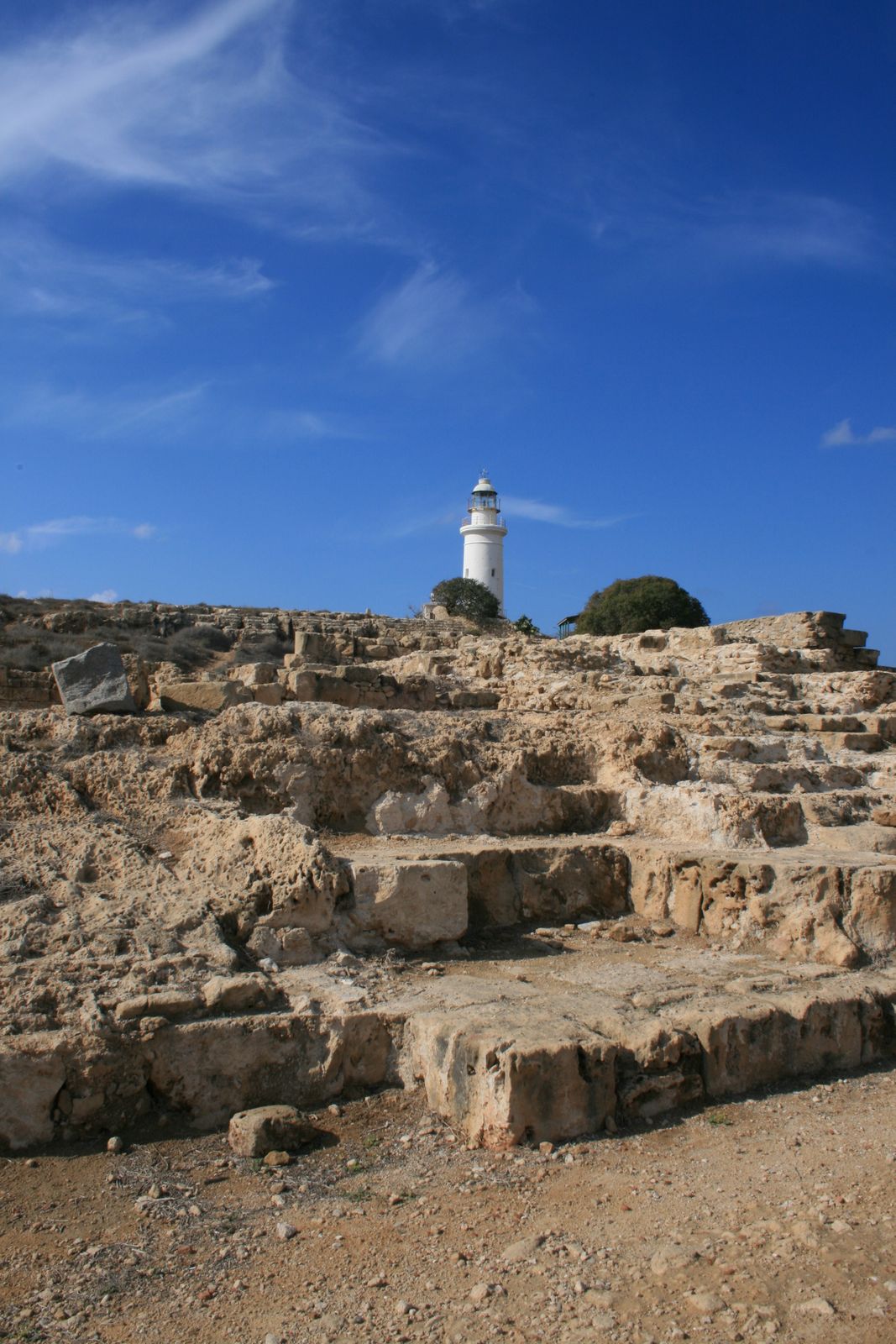
The second picture shows the archeological area where the floor mosaics of Palea Paphos (meaning old Paphos) are located, mentioned previously on this blog here and here.

I trust that the picasa images are all from Paphos and not from other places in Cyprus too. I have been to Paphos a few times in the past but I can only recall the mosaic site and the little harbour. Nothing else. In the picasa files I have also found some pretty pictures from hotels that I have included here.


MOSAICS, SEA, GOOD FOOD, BEAUTY, HISTORY all in one place!

Sunday, May 30, 2010

The House of Orpheus mosaic gets a "lifting" - Getty Museum involved


I was happy to read on Mosaic Art Now that a project has taken place in order to preserve the Orpheus mosaic in Paphos, Cyprus.

A book has also been published and it's available FREE by clicking here:
Getty Museum - Orpheus mosaic publication

Some of my favourite mosaics are the ones in Cyprus as you have seen in previous posts. They have a distinctive beauty, they are unique. Even though they were made in Roman times I would call them Cypriot mosaics considering that Cyprus was and still is a place where cultures blend (Greek world, the Phoenicians etc) thus the "Roman" impact was not as strong as it would have been in places where the Greek world had been absent. And this is purely because the "Roman" world and culture was strongly influenced by Greek art, philosophy etc. An amalgam of diverse cultures had already penetrated Cypriot culture at the time the mosaics were made.

Monday, May 24, 2010

Thank you to my friends and followers


This is a very short post to thank each one of you. 13 followers so far! I don't know what the statistics are and I know that many blogs could go up to 10.000 followers (this blog here has 10.724 followers!) but numbers is not the issue here. It's doing what your heart tells you to do and not doing it on your on. My passion for mosaics has led me to create this blog and believe me the things I would like to talk about or muse over and the images to show to you are innumerable. So I thank you all and God bless.
Right now, I am in the middle of selling a house, setting up my new workshop and dealing with different kinds of bureaucratic issues plus huge family responsibilities, but very soon I will be writing on the mosaics in Constantinople (today's Istanbul).

Is there something you would like to see or learn about on mosaics? Something you have already seen here and would like me to work on? Please drop a comment.

The mosaic pictured above is from Paphos in Cyprus.

Friday, April 30, 2010

Falling in love 16 centuries ago! - Ο έρωτας 16 αιώνες πριν!


source of the stamp pictures: http://www.mlahanas.de/Cyprus/Geo/Paphos.html


The House of Aion in Pafos (Cyprus) contains mosaic floors of the 4th century AD and is an important monument for mosaics . Aion in Greek (αιών) means century. This particular detail in the picture shows a centaur playing the lyre and a Maenad and it's one of the mosaics that I love most. Well..I could write and write on Paphos and its mosaics but I am running out of time. One thing I should definitely say is that Paphos is the mythical birthplace of Aphrodite (from Greek afros or aphros=αφρός meaning foam and dio=δύω, αναδύομαι meaning appear or rise from the sea.) What is absolutely superb about this mosaic piece is that it's featured on a stamp and there's even one picturing Aphrodite! Wonderful don't you think?

Η οικία του Αιώνα στην Πάφο της Κύπρου, ένα σημαντικό μνημείο για την τέχνη του ψηφιδωτού, περιέχει ψηφιδωτά δάπεδα του 4ου αιώνα π.Χ. Η συγκεκριμένη σκηνή παρουσιάζει ένα κένταυρο που παίζει λύρα και μία μαινάδα και πρόκειται για ένα από τα αγαπημένα μου ψηφιδωτά. Λοιπόν...θα μπορούσα να γράψω ένα σωρό πράγματα για την Πάφο και τα φημισμένα ψηφιδωτά της αλλά δεν με παίρνει ο χρόνος. Ένα πράγμα σίγουρα αξίζει να ειπωθεί και είναι πως η Πάφος είναι ο τόπος όπου γεννήθηκε η Αφροδίτη σύμφωνα με την μυθολογία. Αυτό που πραγματικά συναρπάζει και που σχετίζεται με αυτό το ψηφιδωτό είναι ότι εικονίζεται σε γραμματόσημο και εκτός αυτού υπάρχει και γραμματόσημο με την Αφροδίτη! Δεν είναι υπέροχο;

note: The text was originally written in English and then translated into Greek.